
A-Frame Sidewalk Signs NYC
Compliant, Heavy-Duty, and Delivered Next-Day
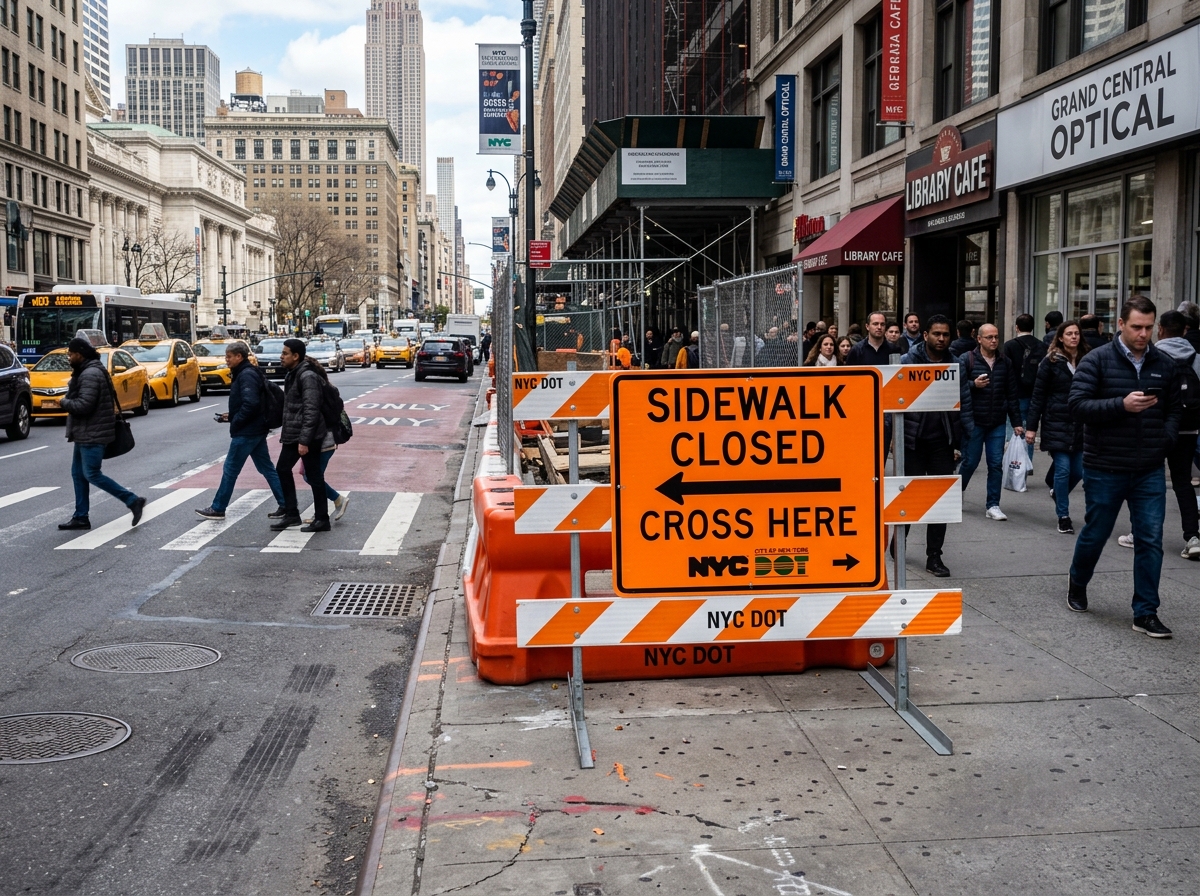
NYC Sidewalk Sign Legality Checker
Premium NYC Sidewalk Sign Formats
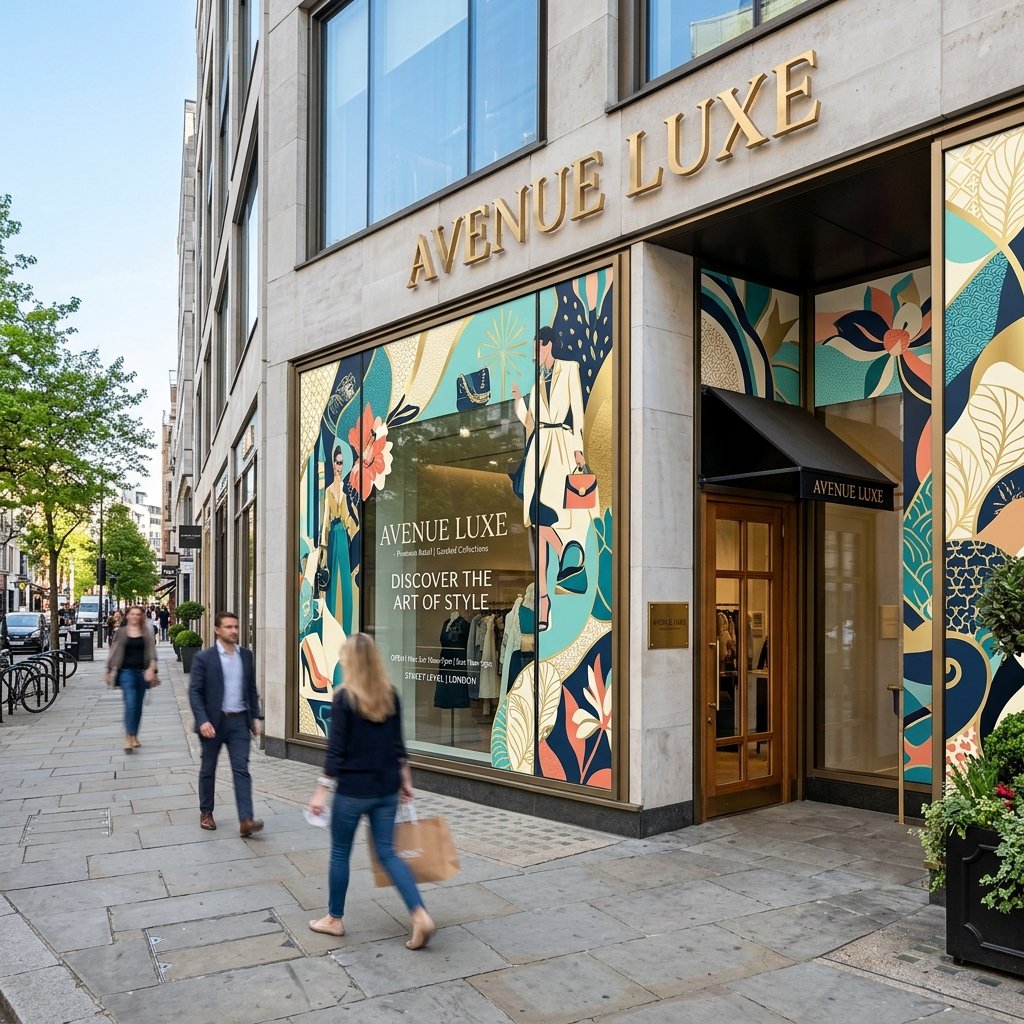
Signicade Deluxe Plastic A-Frame
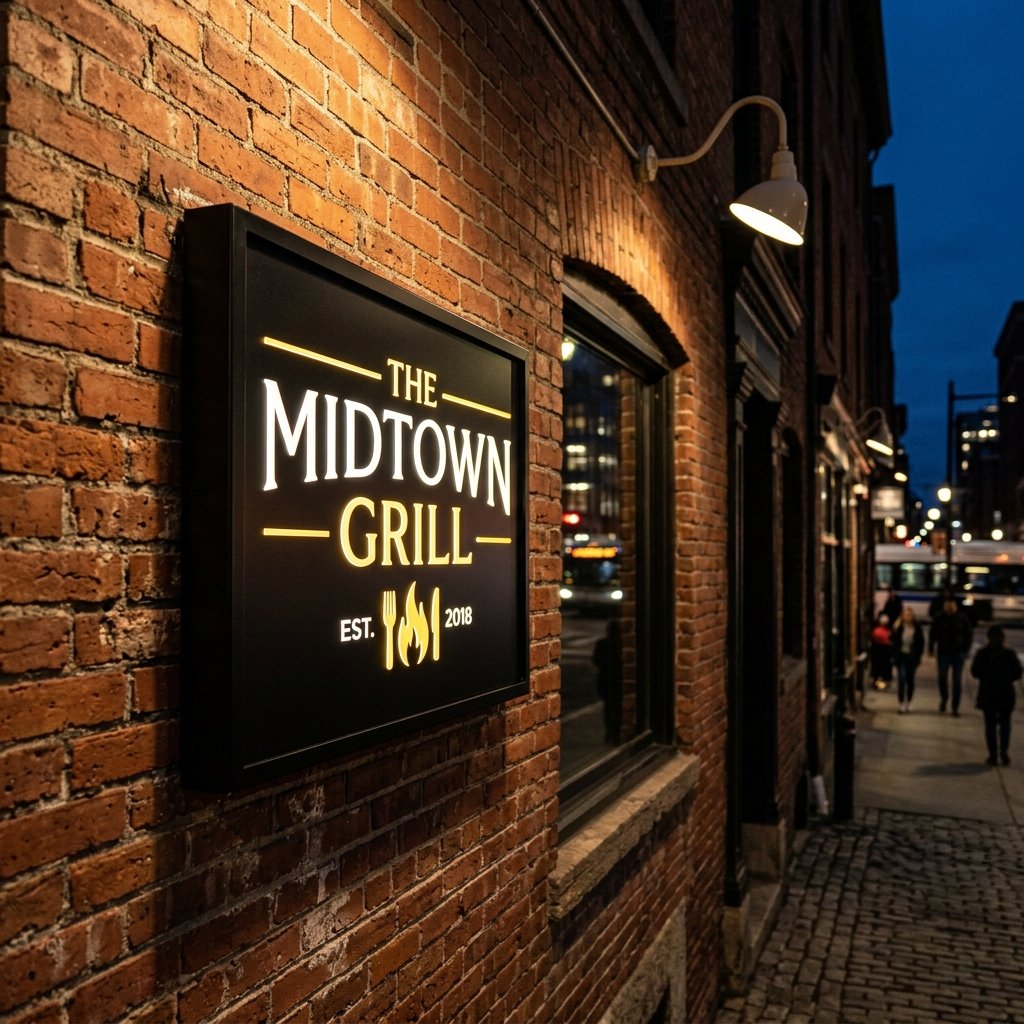
Wind-Resistant Spring Sign
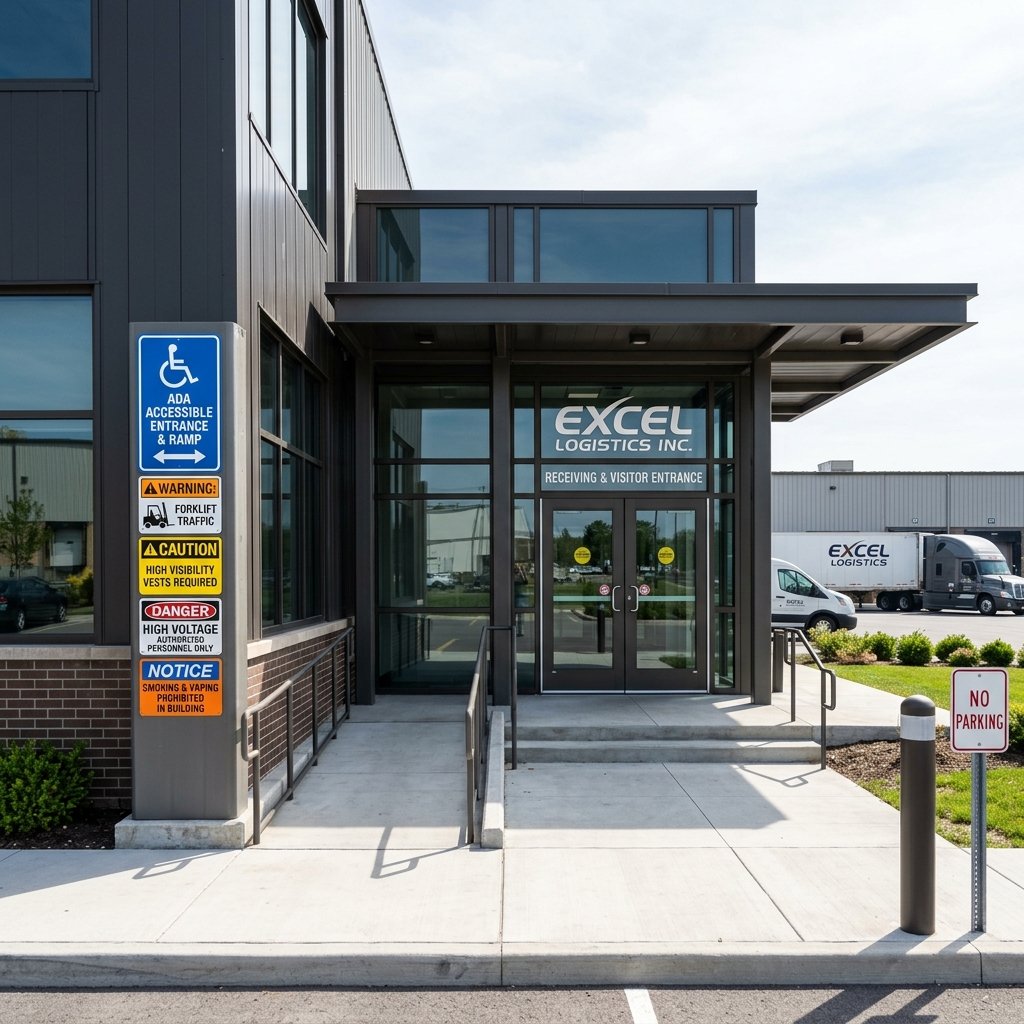
Metal A-Frame (Rider Format)

Classic Wooden Chalkboard
Fabric Pop-Up / Wearable
Interactive Substrate Performance Visualizer
Coroplast (Fluted Plastic)
A lightweight, budget-friendly fluted plastic substrate. Perfect for high-volume promotional runs, directional event signs, or insert boards for the Signicade Deluxe frame.
The Multi-Agency NYC Sidewalk Signage Regulations
Spatial Boundaries (Code § 19-136)
• Storefront Facade Projection: Must not extend more than 3 feet into the sidewalk from the building line.
• Vertical Height Limit: The absolute height of the sandwich board must not exceed 5 feet.
• Pedestrian Pathway Clearance: Under ADA rules, a clear travel path of at least 5 feet must remain completely unobstructed on general walkways.
Permitting and DOB Moratoriums
• Landmarks (LPC) Carve-Out: Placing signs in historic landmark districts (e.g. SoHo, Greenwich Village, DUMBO) usually requires a 3 to 6-month review. However, the LPC Permit Guidebook provides a crucial exemption for portable, free-standing sandwich boards.
Zero-Display Streets & Fines
• DSNY Progressive Fines: Local Law 67 of 2024 enforces escalating citations for obstructions. First offense: $50. Second offense: $200 ($300 for chronic offenders). Third and subsequent offenses: $300 ($500 for chronic offenders).
Fluid Dynamics & Wind Shear Engineering
Fwind = ½ • ρ • v² • Cd • A
Where ρ represents air density, v is wind velocity, Cd is the sign's drag coefficient (~1.2), and A is the surface area. For a standard 24"×36" sign, a moderate 33 mph gust creates 20.3 lbs of tipping force. Empty plastic or wood frames (weighing only 8–18 lbs) easily blow over under this load.
Wind Load & Drag Coefficient Metrics
• Drag Coefficient (Cd): 1.2
• Tipping Threshold: ~15 mph (unballasted)
• Recommended Ballast: 10 lbs dry sand per side
Spring-Loaded Sign (Flex Face):
• Drag Coefficient (Cd): drops to 0.6 when tilted
• Tipping Threshold: ~45 mph (with water-filled base)
• Wind tunnel tested up to 110 mph without structural failure.
Loss Prevention & Asset Protection
Physical Tethering & Cables
Concealed GPS Tracking
Quick-Release Protocols
Get a Free Quote & Compliance Verification
NYC Sidewalk Signage Compliance & Usage FAQs
Do I need a Department of Buildings (DOB) permit for an A-frame sidewalk sign in NYC?
No. Under NYC DOB and Construction Code §28-105.4, temporary, portable accessory commercial signs under 6 square feet in area do not require building permits. Our standard 24″×36″ A-frames fall exactly under this permit-free threshold.
What are the DSNY fines for sidewalk obstructions?
Under Local Law 67 of 2024, DSNY issues progressive penalty fines for sidewalk obstructions. For a first offense, the fine is $50. A second offense is $200 (escalating to $300 for chronic repeat offenders), and subsequent offenses are $300 (or $500 for chronic offenders).
What is a "Zero Sidewalk Display Street" and does it apply to me?
Zero Sidewalk Display Streets are commercial corridors designated by the city where all storefront sidewalk displays (including sandwich boards, merchandise bins, and outdoor stands) are strictly prohibited. These are typically high-density pedestrian zones. Business owners must check the municipal 311 database to confirm if their address is in a Zero Display zone.
Is dry sand or water better for filling hollow A-frame ballast systems?
Dry sand is highly recommended. Sand has a higher density than water, lowering the sign’s center of gravity more effectively. Additionally, unlike water, sand will not freeze, expand, and crack the hollow plastic frame during freezing NYC winter conditions.
Do businesses in historic landmark districts need LPC design permits for A-frames?
No. According to the Landmarks Preservation Commission (LPC) Permit Guidebook, free-standing, temporary sandwich boards that are not permanently attached to the building facade, do not damage historic fabric, and are brought inside at night are exempt from design reviews, making them ideal for landmark storefronts.