
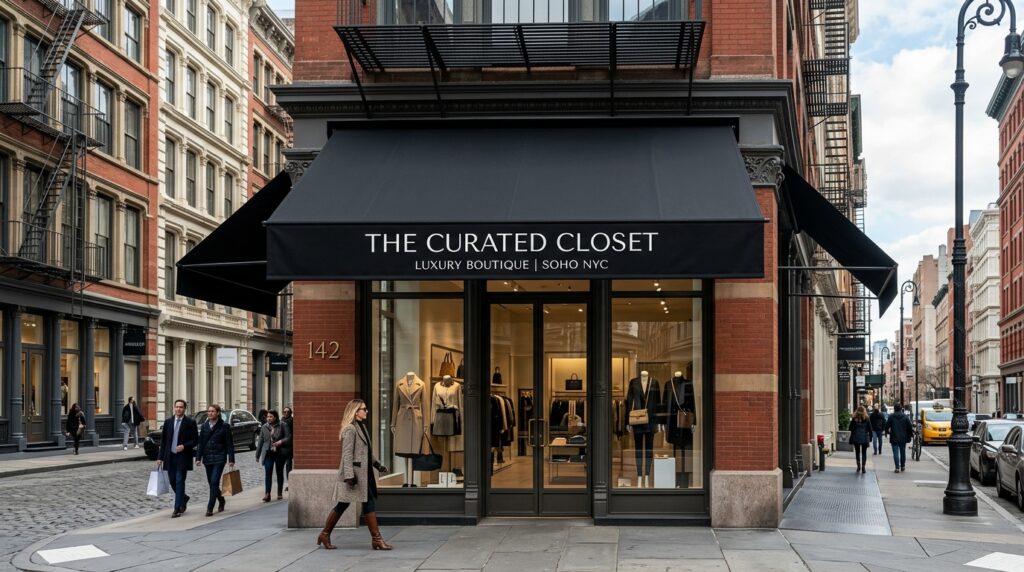
In the fiercely competitive retail corridors of New York City?from Madison Avenue to Broadway in Soho?your storefront signage is your primary customer acquisition channel. Choosing between front-lit LED channel letters and reverse halo-lit channel letters is not merely an aesthetic choice; it directly impacts nighttime visibility, perceived brand value, and commercial foot traffic conversion.
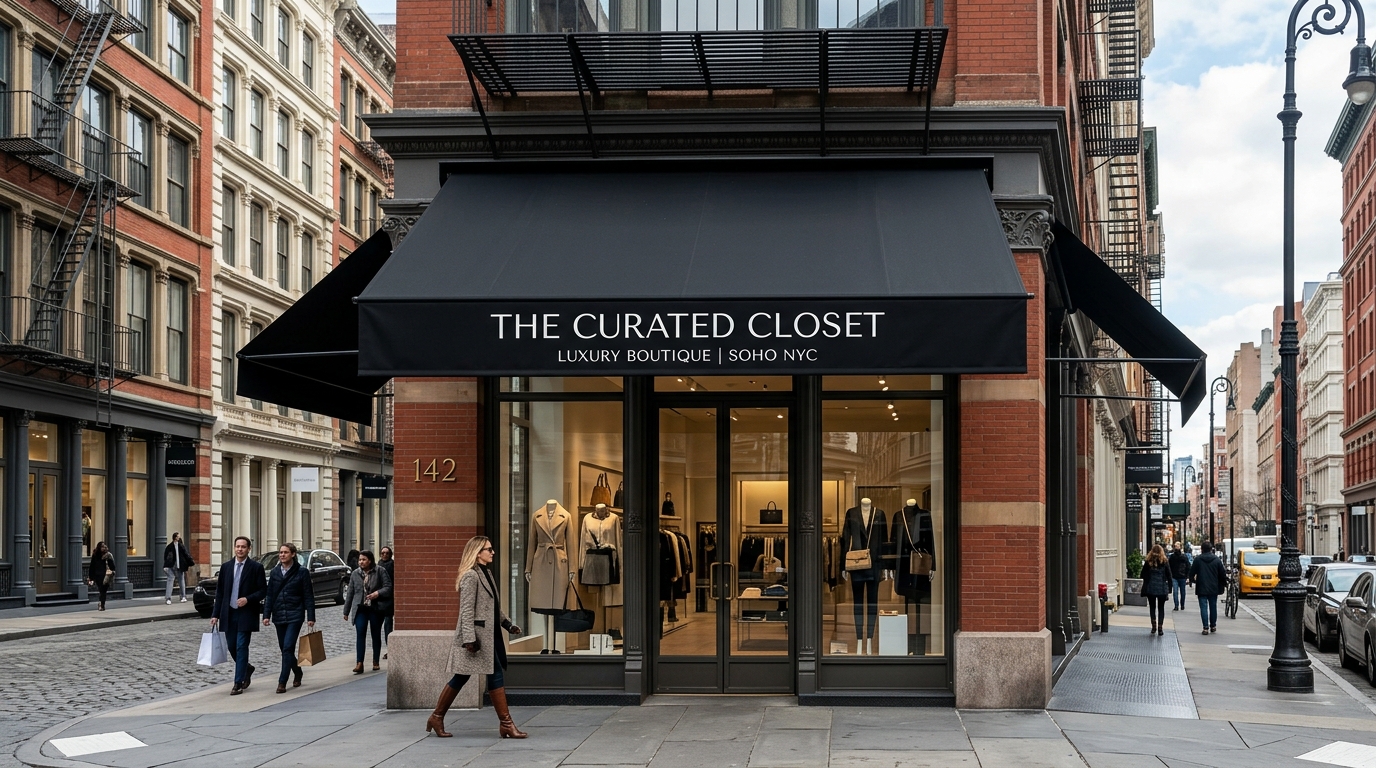
1. What Are Front-Lit Channel Letters? (Direct Illumination)
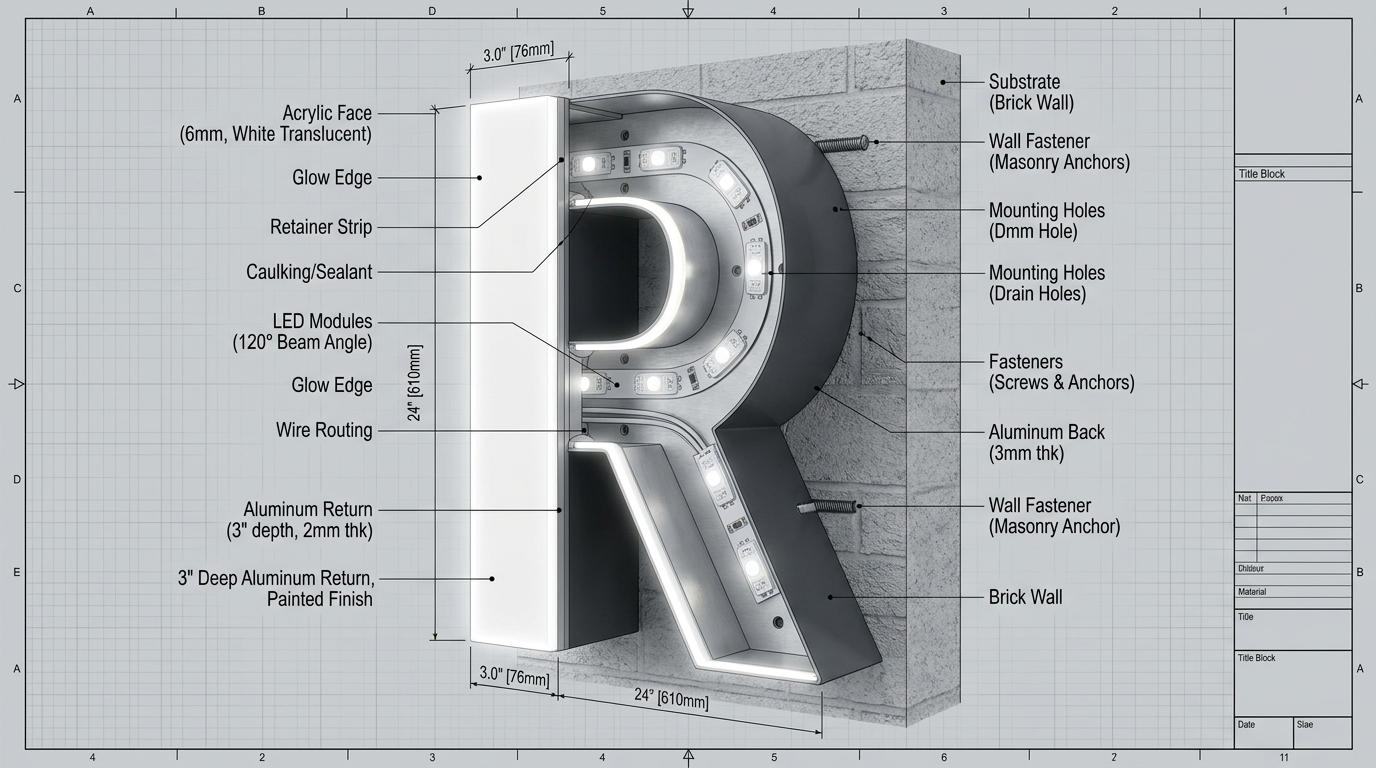
Front-lit channel letters are the industry standard for retail, restaurant, and grocery storefronts. Each three-dimensional letter is fabricated with an aluminum back and return (usually 3? to 5? deep) and enclosed with a high-impact acrylic face. Internally mounted, high-efficiency Samsung or SloanLED modules emit light directly through the translucent acrylic face.
Key Advantages of Front-Lit Letters:
- Maximum Foot-Traffic Contrast: Visible from hundreds of yards away, even against intense ambient city streetlights and digital billboards.
- Unlimited Color Customization: Using pigmented cast acrylic or 3M translucent vinyl overlays to match exact corporate Pantone (PMS) colors.
- Cost-Effective Fabrication: Simpler manufacturing and maintenance access compared to complex specialty illumination.
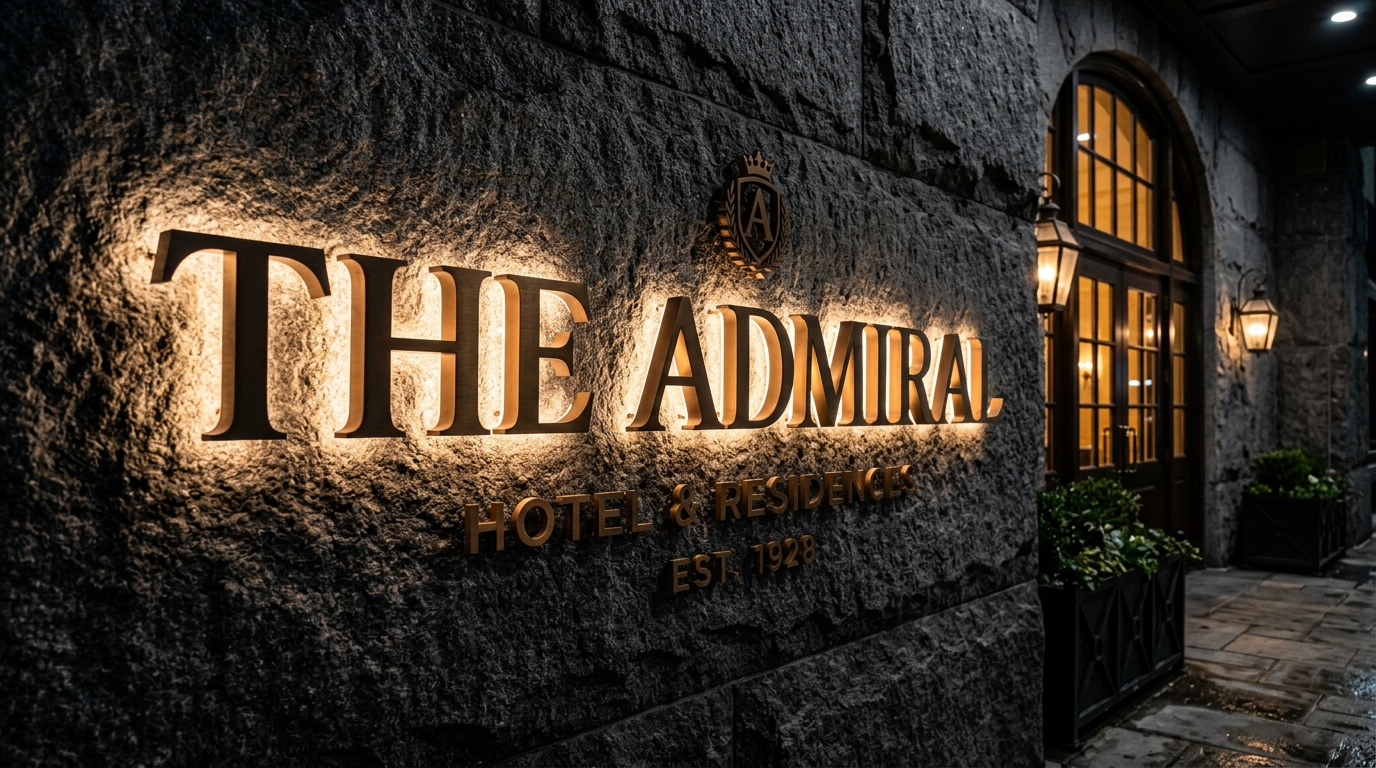
2. What Are Reverse Halo-Lit Channel Letters? (Architectural Backlighting)
Also known as reverse channel letters or backlit letters, this style reverses the lighting dynamic. The face and returns are fabricated from opaque welded aluminum, brushed stainless steel, or architectural brass. The back of the letter is sealed with clear polycarbonate, and the letters are mounted 1? to 1.5? off the building facade on custom standoff spacers. Light spills backward, creating a soft, luminous halo reflection around the silhouette of each letter.
Best Use Cases for Halo-Lit Letters:
- Luxury Boutiques & Jewelers: High-end aesthetic that conveys elegance, longevity, and premium craftsmanship.
- Corporate Headquarters & Law Firms: Understated prestige for Manhattan office buildings and financial centers.
- Historic Preservation Districts: Frequently required by the NYC Landmarks Preservation Commission (LPC) in historic neighborhoods where direct acrylic glare is restricted.
3. Technical & Engineering Comparison
| Technical Feature | Front-Lit Channel Letters | Reverse Halo-Lit Letters |
|---|---|---|
| Luminous Output (LUX) | High (600?1,200 LUX at face) | Medium/Ambient (250?550 LUX halo) |
| Optimal Wall Surface | Any surface (Brick, EIFS, Wood, Glass) | Matte, light, non-reflective stone or concrete |
| NYC DOB Permitting | Standard Commercial Sign Permit | Favored in LPC Historic Districts |
| Average Lifespan | 8?12 Years (LED replacement at 5?7 yrs) | 12?15+ Years (Full metal housing) |
4. ROI & Visibility Factors on NYC Commercial Streets
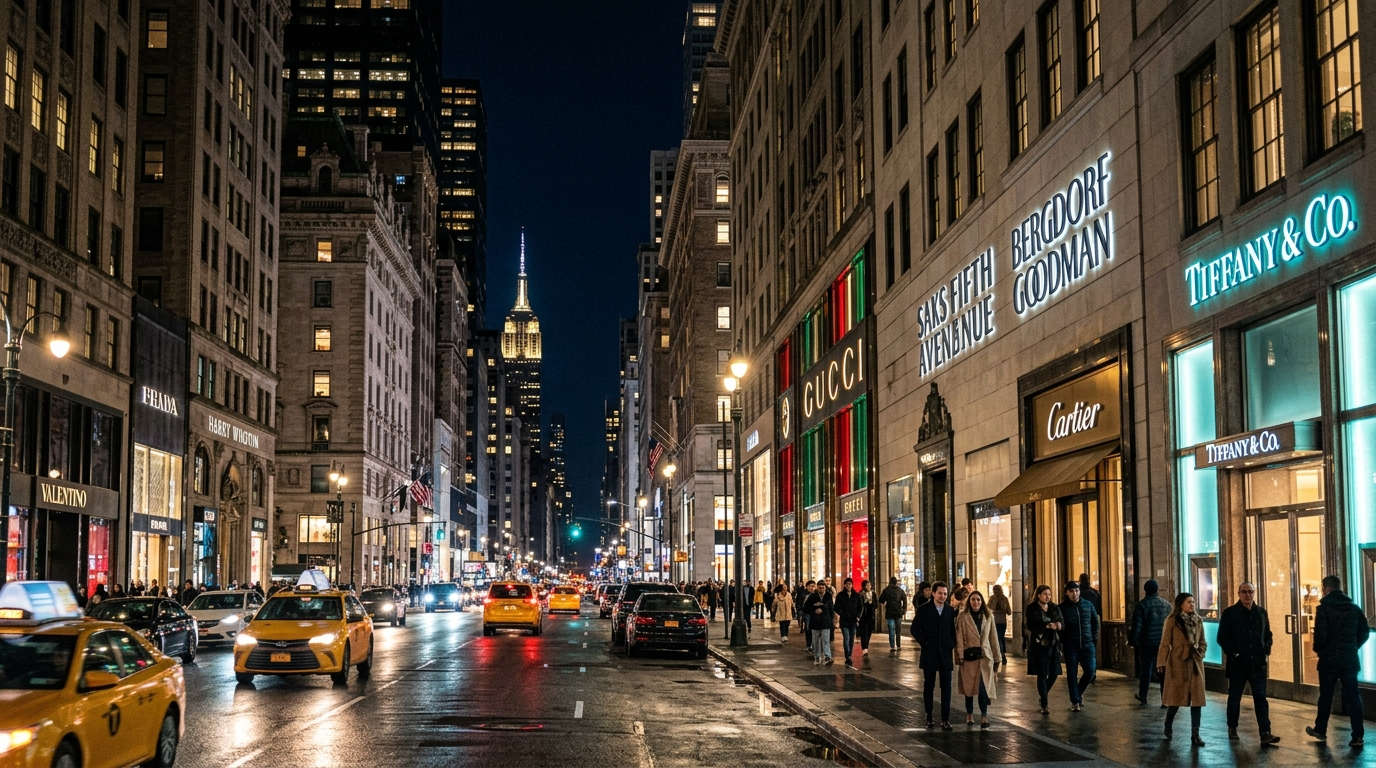
When calculating the return on investment (ROI) for custom storefront signage in NYC, consider the angle of approach for pedestrians and vehicular traffic:
- Perpendicular vs. Parallel Vision: Front-lit signs excel when viewed straight-on across a wide street. For narrow streets, combining channel letters with a projecting blade sign captures both directional streams.
- Facade Contrast: Halo lighting requires a contrasting background to produce its signature glow. If your building facade is glossy black glass or dark polished granite, the halo reflection can scatter; in such cases, front-lit or dual-lit (front + halo) delivers superior ROI.
5. Summary: Which Should You Choose?
If your primary objective is high-impact visibility, bold retail branding, and clear readability from distant sightlines, front-lit LED channel letters are your best investment. If your brand demands understated luxury, architectural sophistication, or compliance with strict historic preservation guidelines, reverse halo-lit channel letters provide unmatched refinement.
Ready to transform your NYC commercial storefront? Explore our LED Channel Letter fabrication options or contact SignsRiver for a custom 3D digital proof, DOB code analysis, and competitive quote.